

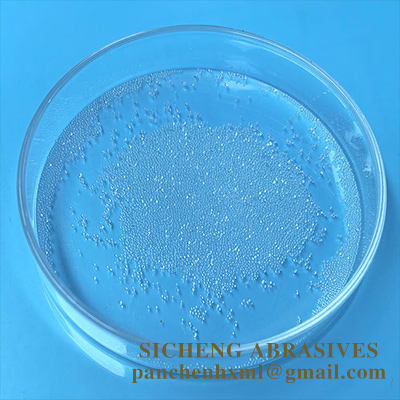
Aircraft shot blasting media glass microsphere AGB25 ABG30
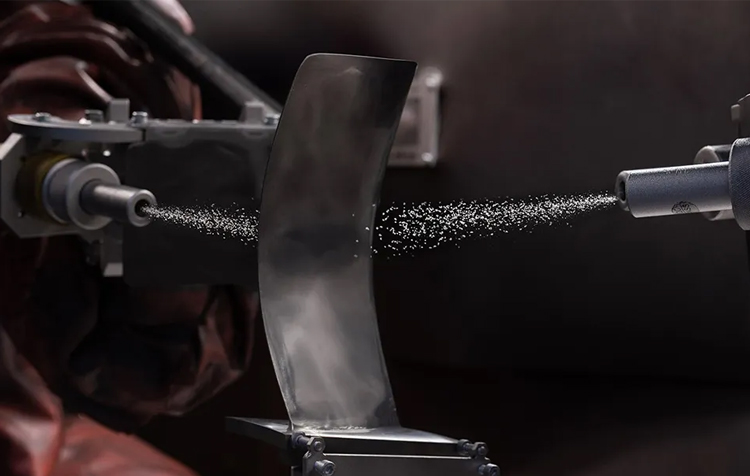
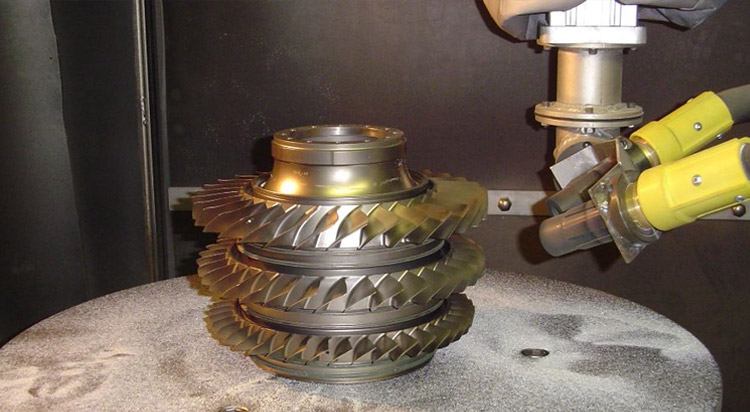
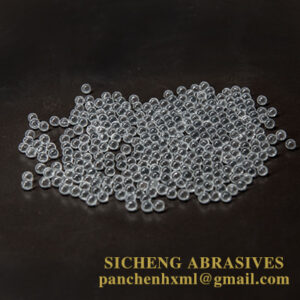
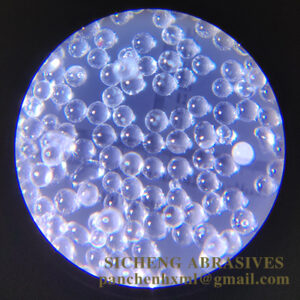
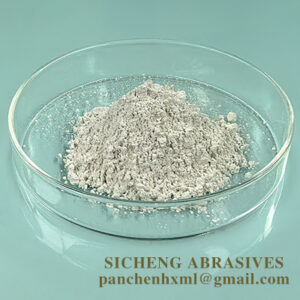
AGB25 and ABG30 are high-strength solid glass microspheres specially engineered as professional shot blasting media for aerospace aircraft components. With uniform spherical shape and moderate hardness, they deliver controlled peening intensity to form stable compressive stress layers on alloy surfaces, enhancing fatigue resistance and corrosion protection for engine parts and airframe structures. These clean non-metallic microspheres leave no ferrous contamination, avoiding electrochemical risks on titanium alloys and high-temperature aviation materials. They feature excellent flowability for precise finishing on complex curved blades and precision parts, balancing surface smoothness and strengthening effect perfectly. AGB25 and ABG30 ensure consistent blasting performance, low residual magnetism and long service life, fully meeting strict aviation surface treatment standards.
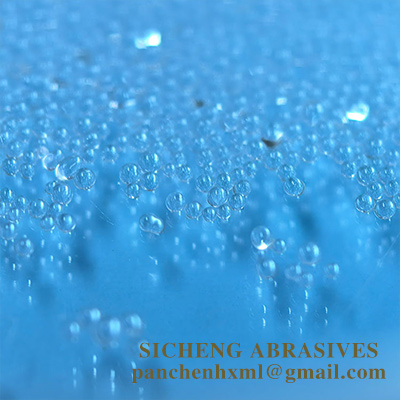
Characteristics of Aircraft shot blasting media glass microsphere AGB25 ABG30:
- The chemical composition is high-quality sodium calcium glass microsphere, with a silicon dioxide content of min 67%.
- The arsenic content of glass shot blasting shall not exceed 75ppm, and the lead content shall not exceed 100ppm.
- More than 90% of the glass pellets have a hardness between 500-550HV or 515-575HK. 48~52HRC can also be used as a reference.
- The true density should not be less than 2.3g/cm.
- Magnetic particles should not exceed 0.1% of the original sample weight.
- Glass shot peening with a projected area covered by inclusions (including bubbles) exceeding 20% should not exceed 10%.
- Coating: No silane or any other coating material.
Chemical composition:
| SiO2 | 71.0% |
| NaO2 | 14.0% |
| Fe2O3 | 0.1% |
| Al2O3 | 2.0% |
| MgO | 4.0% |
| CaO | 7.0% |
| Magnetic | ≤0.1% |
| Others | 0.016 |
Physical Index:
| Hardness | Mohs 6-7 |
| Specific gravity | 2.5 g/cm3 |
| Bulk density | 1.6 g/cm3 |
| Reflective Index | ≥1.5 |
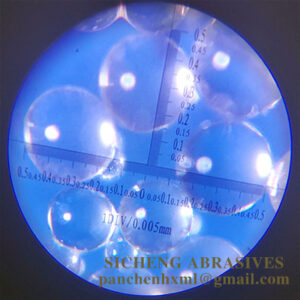
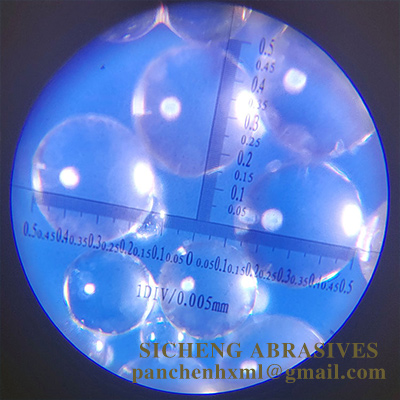
| Roundness | ≥80.0% |
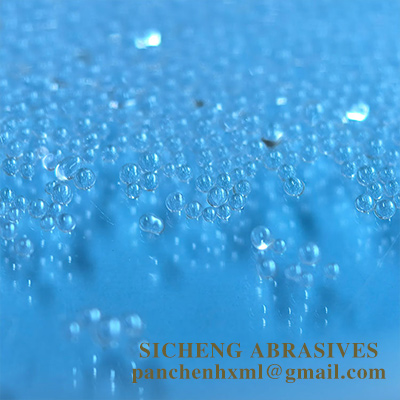
| Appearance | Colorless transparent microsphere |
Specifications of Aircraft shot blasting media glass microsphere AGB25 ABG30:
| Spec. | Roundness %(≥) | Irregular particle ratio(%) | Particle range(mesh) | Particle range (um) | Mesh NO.1 | Mesh NO.2 | Mesh NO.3 | PAN | ||||
| 100% Passing mesh NO. | Mesh size(um) | Min 95% Passing mesh NO. | Mesh Size (um) | Max 15% retain mesh NO. | Mesh Size (um) | Max 5% retain mesh NO. | Mesh Size (um) | |||||
| AGB-200 | 80 | 0.5 | 8-12# | 1700-2360 | 7 | 2800 | 8 | 2360 | 12 | 1700 | 14 | 1400 |
| AGB-170 | 80 | 0.5 | 10-14# | 1400-2000 | 8 | 2360 | 10 | 2000 | 14 | 1400 | 16 | 1180 |
| AGB150 | 80 | 0.5 | 12-16# | 1180-1700 | 10 | 2000 | 12 | 1700 | 16 | 1180 | 20 | 850 |
| AGB-100 | 65 | 3.0 | 14-20# | 850-1400 | 12 | 1700 | 14 | 1400 | 20 | 850 | 30 | 600 |
| AGB-70 | 65 | 3.0 | 20-30# | 600-850 | 18 | 1000 | 20 | 850 | 30 | 600 | 40 | 425 |
| AGB-50 | 70 | 3.0 | 30-40# | 425-600 | 25 | 710 | 30 | 600 | 40 | 425 | 45 | 35 |
| AGB-35 | 70 | 3.0 | 40-50# | 300-425 | 35 | 500 | 40 | 425 | 50 | 300 | 60 | 250 |
| AGB-30 | 70 | 3.0 | 45-60# | 250-355 | 40 | 425 | 45 | 355 | 60 | 250 | 70 | 212 |
| AGB-25 | 80 | 3.0 | 50-70# | 212-300 | 45 | 355 | 50 | 300 | 70 | 212 | 80 | 180 |
| AGB-20 | 80 | 3.0 | 60-80# | 180-250 | 50 | 300 | 60 | 250 | 80 | 180 | 100 | 150 |
| ABG-18 | 80 | 3.0 | 70-100# | 150-212 | 60 | 250 | 70 | 212 | 100 | 150 | 120 | 125 |
| AGB-15 | 80 | 3.0 | 80-120# | 125-180 | 70 | 212 | 80 | 180 | 120 | 125 | 140 | 106 |
| AGB-12 | 85 | 3.0 | 100-170# | 90-150 | 80 | 180 | 100 | 150 | 170 | 90 | 200 | 75 |
| AGB-10 | 90 | 3.0 | 120-200# | 75-125 | 100 | 150 | 120 | 125 | 200 | 75 | 230 | 63 |
| AGB-9 | 90 | 3.0 | 140-230# | 63-106 | 120 | 125 | 140 | 106 | 230 | 63 | 325 | 45 |
| AGB-6 | 90 | 3.0 | 170-325# | 45-90 | 140 | 106 | 170 | 90 | 325 | 45 | 400 | 38 |
Application of Aircraft shot blasting media glass microsphere AGB25 ABG30:
Used for surface treatment of aviation engine blades, aircraft landing gear, aircraft skin and other aviation parts, it can eliminate stress, increase fatigue strength, improve surface hardness and wear resistance, remove burrs, improve surface quality, etc.