

Hollow Glass Microsphere Properties and Applications
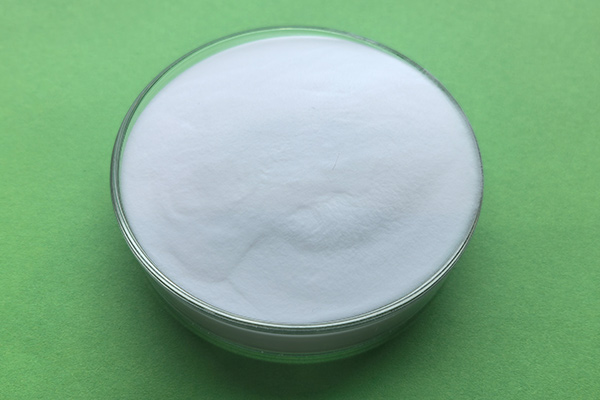
Hollow Glass microsphere (Glass Bubbles) are high-precision hollow spherical particles made of sodium-calcium borosilicate glass. It is famous for their lightweight, high strength, stable performance, and multiple functions, making them a high-end lightweight filler.
There are several extrodinary properties of hollow glass microsphere:
1.Special structure
Hollow glass microspheres possess a complete hollow spherical microstructure with a wall thickness of 1-2 μm. There are advantages of low density and high mechanical strength.
2.Low weight
The glass bubble has a low specific gravity and excellent buoyancy, resulting in outstanding lightweighting effects. It can be widely added to systems such as rubber, latex, wood substitutes, PVC plastisol, and modified plastics as a high-quality weight-reducing filler.
3. High crush strength
Refined using a special melting and pelletizing process, the product exhibits excellent compressive strength, a very high strength-to-weight ratio with high crush strength. Thus, it is suitable for various processing conditions.Therefore, hollow glass microspheres are an ideal material for oilfield cementing mud and drilling fluids.
4. Resist to high temperature
This product uses soda-lime borosilicate glass as raw material, with a softening point up to 600℃. That enables it to withstand high-temperature environments up to 600℃ for extended periods, demonstrating good thermal stability.
5. Low thermal conductivity
Hollow glass sphere obtains low thermal conductivity and low dielectric properties. The microspheres are completely sealed without damage or air-permeable pores. When incorporated into coatings and products, they form a stable hollow structure, effectively reducing thermal conductivity and dielectric constant.Therefore, hollow glass microspheres can be used as fillers in engineering plastics for 5G communication equipment and other applications.
6. Excellent compatibility
The product has low alkali content and extremely low VOC content, while also optimizing system viscosity. As a result, it is suitable for various coating and adhesive formulations.
7. Good Flowability
The particles have excellent sphericity and small specific surface area, resulting in excellent powder flowability. In the meantime, the uniform particle and good dispersion can improved processing operability.
8. Excellent Weather Resistance
It possesses excellent insulation properties, stable chemical properties, resistance to acid and alkali corrosion, and aging resistance, extending the service life of products. As a filler in anti-corrosion coatings, hollow glass microspheres can effectively resist corrosion. Simultaneously, It can improve the durability and weather resistance of the plastics.
The application of hollow glass microsphere incuding:
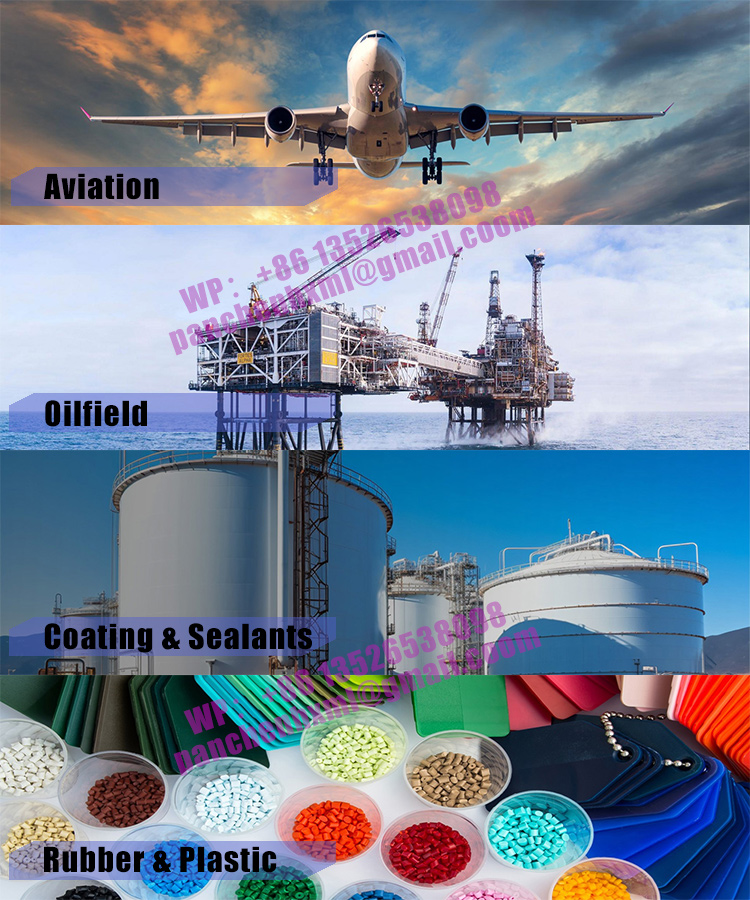
1. Thermal insulation coatings, heat-reflective coatings, and UV-resistant coatings. Applications include housing, building materials, aerospace equipment, pipelines, oil storage tanks, industrial plants, and large grain silos.
2. Energy-saving building materials, thermal insulation mortar, thermal insulation putty, and noise-reducing coatings.
3. Utilizing the good flowability and high compressive strength of hollow glass microspheres, they are used in oilfield cementing slurries and low-density drilling fluids.
4. Low-dielectric engineering plastics. Applications include 5G communication equipment, aircraft radomes, and high-frequency copper-clad laminates (CCL) for PCB circuit boards.
5. Low-density silicone adhesives, epoxy resin adhesives, acrylic adhesives, and polyurethane adhesives. Applications include electronic potting compounds, battery potting compounds, and MS sealants.
6. Lightweight engineering plastics, PVC plastisol, and structural adhesives. Applications include automotive plastic parts, vehicle and home appliance adhesives and sealants, and helmets.
7. Anti-corrosion and antifouling coatings. Applications include automotive and marine coatings, pipeline anti-corrosion coatings, zinc-rich primers for steel structures, and weather-resistant anti-corrosion coatings.
8. Rubber elastomers. Applications include rubber seals, rubber shoe soles, cable rubber layers, tires, latex products, sporting goods, and rubber everyday toys.
9. Solid buoyancy materials. Applications include oil tanker hulls, underwater robot floats, fish buoys, and oil pipeline buoyancy supports.
10. Wood substitutes. Applications include the manufacture of epoxy resin molds and polyurethane molds.