

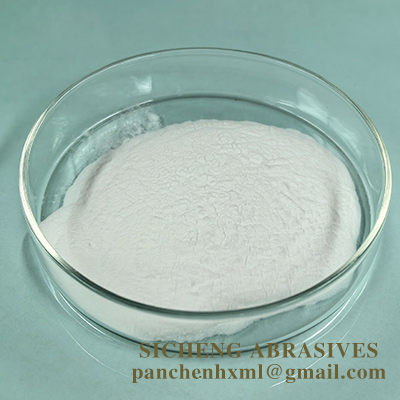
Glass microsphere hollow beads for TPE pillow with density 0.2 g/cm3
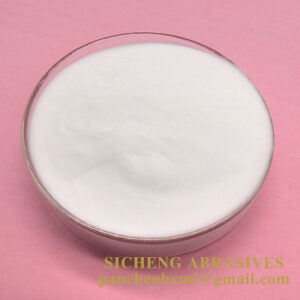
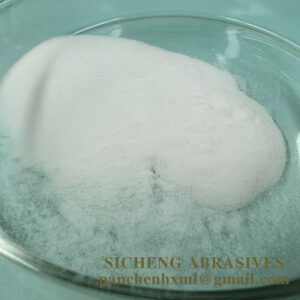
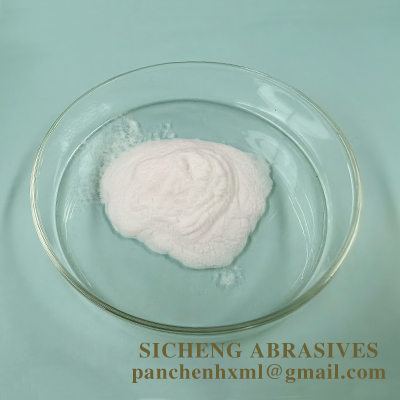
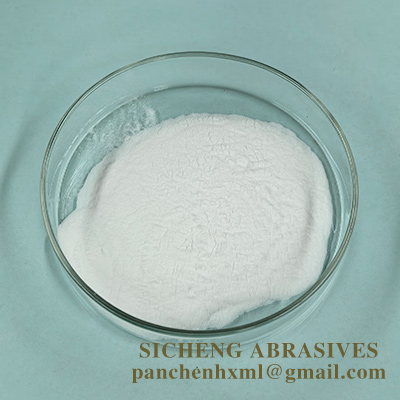
Hollow glass microspheres with density 0.2 g/cm3 are lightweight, closed-cell hollow beads. It’s a best choice for TPE pillow materials.With uniform particle size, low density and excellent fluidity, they can be evenly blended into TPE raw materials.These hollow beads feature stable chemical inertness, pressure resistance and good flexibility, perfectly fitting the soft elastic structure of TPE pillows.They effectively reduce overall material weight, enhance cushioning performance, improve compression resilience and bring a lighter, more comfortable touch.In addition, they optimize thermal insulation and sound insulation properties, while lowering production costs without weakening the structural durability of TPE products.Widely applied in TPE pillows, elastic cushion materials and soft polymer filling fields to upgrade product comfort and comprehensive performance.
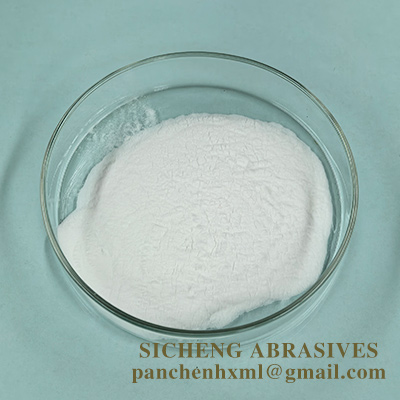
Features:
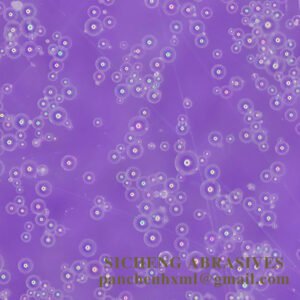
- Hollow glass microspheres have a microscopic morphology of hollow spheres with a wall thickness of approximately 1-2 μm, exhibiting low density and high strength.
- Low specific gravity and high floating rate, making them widely applicable as weight-reducing materials in rubber, latex, wood substitutes, PVC plastisol, and modified resin.
- Produced using a special process, our products feature high crush strength and a high strength-to-weight ratio.
- The hollow glass microspheres are made of soda-lime borosilicate glass with a softening point of approximately 600°C, allowing them to withstand temperatures below 600°C.
- Low thermal conductivity and low dielectric constant. Glass bubbles are non-combusitable and nonporous, it creates a stable hollow structure when used in coatings or products, thus reducing thermal conductivity and dielectric constant.
- Low Alkalinity, low volatile organic compound (VOC) content, and high viscosity.
- Good flowability and low specific surface area.
- Excellent electrical insulation properties and corrosion resistance.
As an additive in matrix materials, its main functions include:
- Reducing weight.
- Thermal insulation.
- Sound insulation and noise reduction.
- Improving dielectric properties.
- Reducing resin usage and VOC emissions.
- Increasing rigidity and preventing cracking.
- Improving durability.
- Improving volume stability and reducing shrinkage and cracking.
Technical Index of Glass microsphere hollow beads for TPE pillow with density 0.2 g/cm3 CL38:
| No. | Testing Items | Unit | Control Standard | Testing Results |
| 1 | Appearance | — | White and Good fluidity | White and Good fluidity |
| 2 | Moisture | % | ≤0.50 | 0.19 |
| 3 | Flotation | % | ≥95 | 98 |
| 4 | Bulk Density | g/cm3 | 0.19~0.22 | 0.20 |
| 5 | Particle Size | µm | D90≤65 | 64.45 |
| 6 | Specific Gravity | g/cm3 | 0.37~0.39 | 0.3877 |
| 7 | Crush Strength | % | 5500psi | Qualified |
Specification:
| Spec. | Ture Density (g/cm3) | Bulk Density (g/cm3) | Crush Strength (Mpa/Psi) | D50(um) | D90(um) |
| CL15 | 0.13-0.17 | 0.08-0.09 | 4/500 | 65 | 120 |
| CL20 | 0.20-0.22 | 0.10-0.12 | 4/500 | 65 | 110 |
| CL25 | 0.24-0.27 | 0.13-0.15 | 5/750 | 65 | 100 |
| CL30 | 0.29-0.32 | 0.15-0.18 | 10/1500 | 55 | 85 |
| CL32 | 0.31-0.33 | 0.17-0.19 | 14/2000 | 45 | 80 |
| CL35 | 0.33-0.37 | 0.18-0.21 | 21/3000 | 40 | 70 |
| CL38 | 0.37-0.39 | 0.19-0.22 | 38/5500 | 40 | 65 |
| CL40 | 0.39-0.42 | 0.19-0.23 | 28/4000 | 40 | 70 |
| CL42 | 0.41-0.44 | 0.21-0.24 | 55/8000 | 40 | 60 |
| CL46 | 0.44-0.48 | 0.23-0.26 | 41/6000 | 40 | 70 |
| CL50 | 0.48-0.52 | 0.25-0.27 | 55/8000 | 40 | 60 |
| CL55 | 0.53-0.55 | 0.27-0.29 | 68/10000 | 40 | 60 |
| CL60 | 0.58-0.62 | 0.29-0.34 | 83/12000 | 40 | 65 |
| CL60S | 0.58-0.63 | 0.30-0.34 | 125/18000 | 35 | 55 |
| CM10 | 1.4-1.6 | 0.45-0.50 | 193/28000 | 5 | 10 |
| CM15 | 1.2-1.3 | 0.40-0.45 | 124/18000 | 7 | 15 |
| CM20 | 1.05-1.15 | 0.39-0.44 | 124/18000 | 9 | 20 |
| CM30 | 0.9-1.0 | 0.35-0.4 | 83/12000 | 14 | 30 |
| CS20 | 0.18-0.22 | 0.10-0.12 | 7/1000 | 60 | 90 |
| CS22 | 0.20-0.24 | 0.11-0.13 | 8/1200 | 45 | 70 |
| CS28 | 0.27-0.30 | 0.15-0.17 | 28/4000 | 45 | 65 |
| CS38 | 0.36-0.40 | 0.19-0.22 | 38/5500 | 30 | 50 |
| CS42 | 0.40-0.44 | 0.21-0.24 | 55/8000 | 25 | 40 |
| CS46 | 0.44-0.50 | 0.22-0.25 | 110/16000 | 20 | 30 |
| CS60 | 0.58-0.62 | 0.29-0.33 | 193/28000 | 16 | 25 |
| CS65 | 0.63-0.67 | 0.30-0.33 | 207/30000 | 13 | 20 |
| CS70 | 0.75-0.80 | 0.33-0.35 | 207/30000 | 10 | 15 |
Applications:
- Thermal insulation paint, heat resistance coatings, and UV-resistant coatings. Applications include housing, building materials, aerospace equipment, pipelines, oil storage tanks, industrial plants, and large grain silos.
- Energy-saving building materials, thermal insulation mortar, thermal insulation putty, and noise-reducing coatings.
- Utilizing the good flowability and high crush strength of glass bubble, they are used in oilfield well cement slurry and low-density drilling fluids.
- Low-dielectric engineering plastics. Applications include 5G communication equipment, aircraft radomes, and high-frequency copper-clad laminates (CCL) for PCB circuit boards.
- Low-density silicone adhesives, epoxy resin adhesives, acrylic resin, and polyurethane adhesives. Applications include electronic potting compounds, battery potting compounds, and MS sealants.
- Lightweight engineering plastics, PVC plastisol, and structural glue. Applications include automotive plastic parts, vehicle and home appliance adhesives and sealants, and helmets.
- Anti-corrosion and antifouling coatings. Applications include automotive and marine coatings, pipeline anti-corrosion coatings, zinc-rich primers for steel structures, and weather-resistant anti-corrosion coatings.
- Rubber elastomers. Applications include rubber seals, rubber shoe soles, cable rubber layers, tires, latex products, sporting goods, and rubber everyday toys.
- Solid buoyancy materials. Applications include oil tanker hulls, underwater robot floats, fish buoys, and oil pipeline buoyancy supports.
- Epoxy tooling board. Applications include the manufacture of various molds of epoxy and polyurethane.