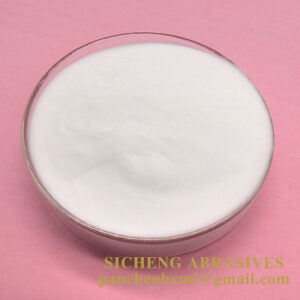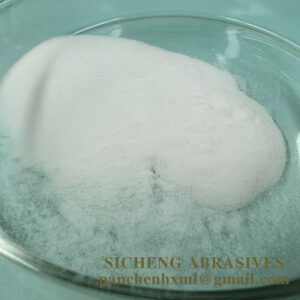


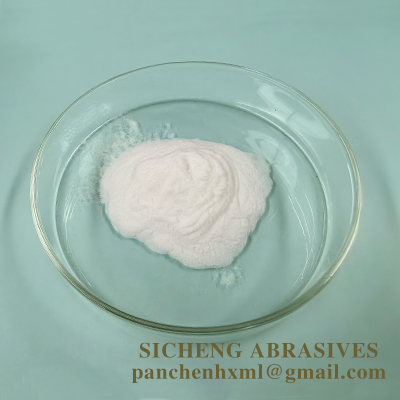
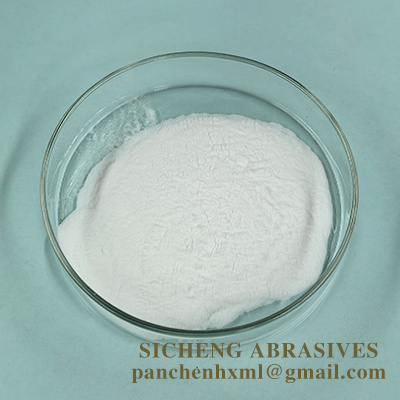
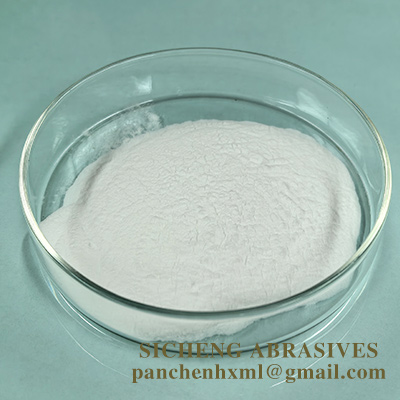
Micro Glass bubble 60um for cementing drilling Fluid
The Micro Glass Bubble 60µm is a high-performance solution for the oil & gas cementing industry that bridges the gap between strength and lightness. It enables operators to produce low-density cement slurries with compressive strengths, reducing well costs by decrease cement failures in challenging downhole conditions.
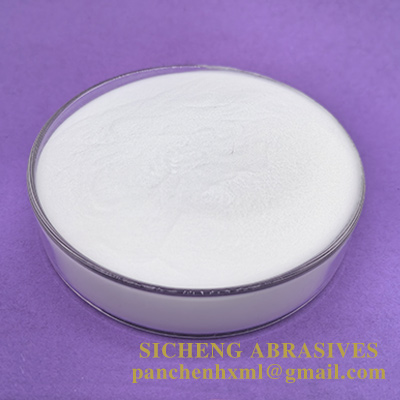
Advantages of Micro Glass bubble 60um for cementing drilling Fluid:
1. Density Reduction:
Traditional Lightweight systems (e.g., gas, bentonite, foamed cement) often sacrifice strength. Micro bubbles allow design of low density yet high compressive strength cements.
Example: Add 10% micro bubbles can reduce slurry density by 0.2.0 while maintaining 1500+ psi compressive.
2. Slurry Stability:
Their spherical shape eliminates “dewatering” (free water separation) and reduces the need for water required for dispersion, leading to robust, settled slurries.
3. Pumpability & Placement:
Unlike low density systems (foamed cement) which require complex equipment, micro bubble slurries are easily mixed with standard centrifugal pumps and conventional cement units.
4. Thermal & Mechanical Performance:
The bubbles act as micro aggregates, distributing stresses evenly. This improves thermal (insulation) and reduces ECD (Effective Circulation Density) during.
Technical Index of Micro Glass bubble 60um for cementing drilling Fluid(CL42):
| No. | Testing Items | Unit | Standard |
| 1 | Appearance | — | White and Good fluidity |
| 2 | Moisture | % | ≤0.50 |
| 3 | Flotation | % | ≥95 |
| 4 | Bulk Density | g/cm3 | 0.19~0.22 |
| 5 | Particle Size | µm | D90≤65 |
| 6 | Specific Gravity | g/cm3 | 0.37~0.39 |
| 7 | Crush Strength | % | 5500psi |
Specification:
| Spec. | Ture Density (g/cm3) | Bulk Density (g/cm3) | Crush Strength (Mpa/Psi) | D50(um) | D90(um) |
| CL15 | 0.13-0.17 | 0.08-0.09 | 4/500 | 65 | 120 |
| CL20 | 0.20-0.22 | 0.10-0.12 | 4/500 | 65 | 110 |
| CL25 | 0.24-0.27 | 0.13-0.15 | 5/750 | 65 | 100 |
| CL30 | 0.29-0.32 | 0.15-0.18 | 10/1500 | 55 | 85 |
| CL32 | 0.31-0.33 | 0.17-0.19 | 14/2000 | 45 | 80 |
| CL35 | 0.33-0.37 | 0.18-0.21 | 21/3000 | 40 | 70 |
| CL38 | 0.37-0.39 | 0.19-0.22 | 38/5500 | 40 | 65 |
| CL40 | 0.39-0.42 | 0.19-0.23 | 28/4000 | 40 | 70 |
| CL42 | 0.41-0.44 | 0.21-0.24 | 55/8000 | 40 | 60 |
| CL46 | 0.44-0.48 | 0.23-0.26 | 41/6000 | 40 | 70 |
| CL50 | 0.48-0.52 | 0.25-0.27 | 55/8000 | 40 | 60 |
| CL55 | 0.53-0.55 | 0.27-0.29 | 68/10000 | 40 | 60 |
| CL60 | 0.58-0.62 | 0.29-0.34 | 83/12000 | 40 | 65 |
| CL60S | 0.58-0.63 | 0.30-0.34 | 125/18000 | 35 | 55 |
| CM10 | 1.4-1.6 | 0.45-0.50 | 193/28000 | 5 | 10 |
| CM15 | 1.2-1.3 | 0.40-0.45 | 124/18000 | 7 | 15 |
| CM20 | 1.05-1.15 | 0.39-0.44 | 124/18000 | 9 | 20 |
| CM30 | 0.9-1.0 | 0.35-0.4 | 83/12000 | 14 | 30 |
| CS20 | 0.18-0.22 | 0.10-0.12 | 7/1000 | 60 | 90 |
| CS22 | 0.20-0.24 | 0.11-0.13 | 8/1200 | 45 | 70 |
| CS28 | 0.27-0.30 | 0.15-0.17 | 28/4000 | 45 | 65 |
| CS38 | 0.36-0.40 | 0.19-0.22 | 38/5500 | 30 | 50 |
| CS42 | 0.40-0.44 | 0.21-0.24 | 55/8000 | 25 | 40 |
| CS46 | 0.44-0.50 | 0.22-0.25 | 110/16000 | 20 | 30 |
| CS60 | 0.58-0.62 | 0.29-0.33 | 193/28000 | 16 | 25 |
| CS65 | 0.63-0.67 | 0.30-0.33 | 207/30000 | 13 | 20 |
| CS70 | 0.75-0.80 | 0.33-0.35 | 207/30000 | 10 | 15 |
Applications:
- Epoxy casting & tooling: Lightweight molds, master models, jigs, and fixtures (reduces weight and improves dimensional accuracy).
- Electronic potting & encapsulation: Low‑density, low‑shrinkage encapsulation for sensors, circuits, and battery modules (provides insulation, thermal management, and vibration damping).
- Composite materials & laminates: Lightweight epoxy laminates for marine, aerospace, and automotive parts (improves buoyancy and reduces structural weight).
- Adhesives & sealants: Low‑density epoxy adhesives for bonding dissimilar materials; gap‑filling sealants with low shrinkage.
- Construction & decorative materials: Epoxy flooring, terrazzo, and artificial stone (reduces weight, improves wear resistance, and enhances texture).