

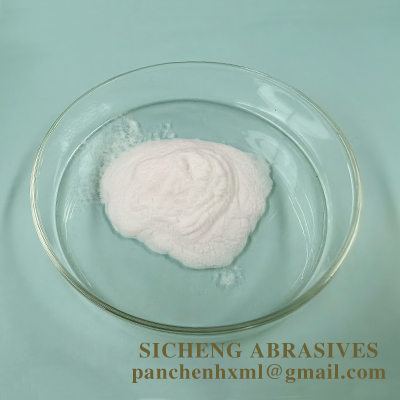
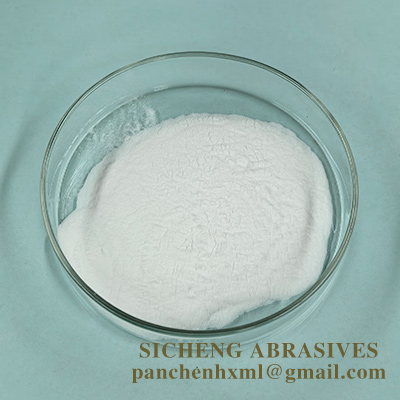
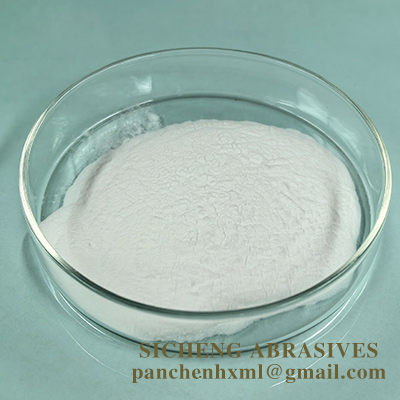
High strength hollow glass microspheres for Adhesive filler
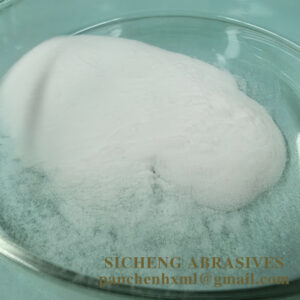
High strength hollow glass microspheres for Adhesive filler are lightweight functional filler materials suitable for sealent filler & mainstream adhesive systems such as epoxy, silicone, polyurethane, acrylic, and MS-modified silane. In terms of performance, the spherical particles exhibit excellent flowability, optimizing adhesive application and coating performance. After curing, they significantly reduce adhesive layer shrinkage, warping, and cracking. They also possess lightweight properties, heat and sound insulation, electrical insulation, and chemical corrosion resistance.
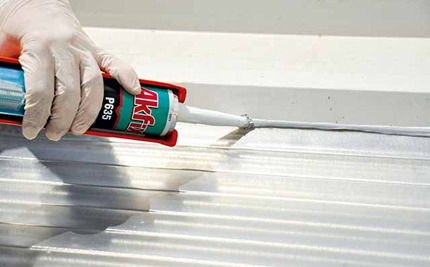
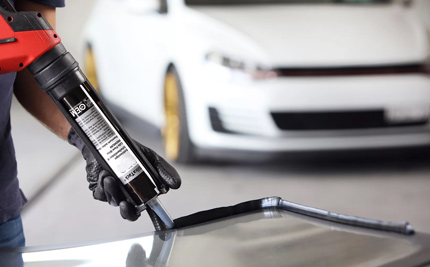
Furthermore, they stabilize adhesive layer dimensions and improve compressive strength and cushioning performance, making them suitable for various adhesive application scenarios: epoxy structural adhesives are used for bonding wind power and aerospace components and potting electronic power modules; silicone sealants are used for photovoltaic modules, door and window curtain wall sealing; polyurethane adhesives are used for sealing automotive body welds, window bonding, and power battery encapsulation; and acrylic and MS adhesives are widely used for building grouting and industrial assembly bonding. The addition ratio can be adjusted as needed to balance cost and product performance. With its hollow, low-density spherical structure and low oil absorption value, it can significantly reduce the amount of high-cost resin raw materials added, effectively reducing the overall raw material cost of adhesives in the same volume. At the same time, it can replace traditional heavy fillers such as calcium carbonate and talc, reducing the weight of materials used per unit product and compressing the overall cost of transportation and finished products.
Hollow glass microspheres are lightweight functional filler materials suitable for mainstream adhesive systems such as epoxy, silicone, polyurethane, acrylic, and MS-modified silane. In terms of performance, the spherical particles exhibit excellent flowability, optimizing adhesive application and coating performance. After curing, they significantly reduce adhesive layer shrinkage, warping, and cracking. They also possess lightweight properties, heat and sound insulation, electrical insulation, and chemical corrosion resistance. Furthermore, they stabilize adhesive layer dimensions and improve compressive strength and cushioning performance, making them suitable for various adhesive application scenarios: epoxy structural adhesives are used for bonding wind power and aerospace components and potting electronic power modules; silicone sealants are used for photovoltaic modules, door and window curtain wall sealing; polyurethane adhesives are used for sealing automotive body welds, window bonding, and power battery encapsulation; and acrylic and MS adhesives are widely used for building grouting and industrial assembly bonding. The addition ratio can be adjusted as needed to balance cost and product performance. With its hollow, low-density spherical structure and low oil absorption value, it can significantly reduce the amount of high-cost resin raw materials added, effectively reducing the overall raw material cost of adhesives in the same volume. At the same time, it can replace traditional heavy fillers such as calcium carbonate and talc, reducing the weight of materials used per unit product and compressing the overall cost of transportation and finished products.
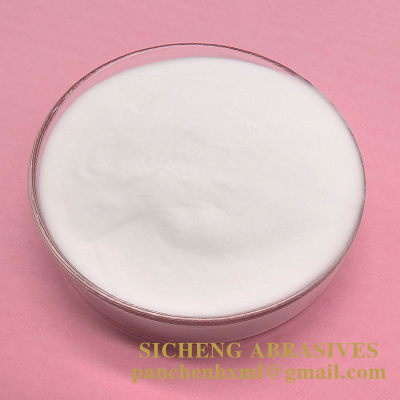
Features:
Hollow glass microspheres are fully enclosed hollow microspheres with a wall thickness of approximately 1-2 μm, exhibiting low specific gravity and high compressive strength.
Low specific surface area and low oil absorption value reduce adhesive viscosity. The spherical shape increases adhesive flowability and improves processing performance.
Reduced adhesive weight: The hollow microsphere structure increases volumetric filling capacity, reducing volumetric costs. Simultaneously, it reduces resin usage and harmful volatile organic compounds.
Prevention of adhesive shrinkage and warping.
Low thermal conductivity of hollow glass microspheres provides adhesives with advantages such as heat insulation, low thermal conductivity, and noise reduction.
Technical Index:
| Specific Gravity | 0.12-1.6 g/cm3 |
| Bulk Density | 0.10-0.62 g/cm3 |
| Thermal Conductivity | 0.038-0.085 W/M·K |
| PH | 8-9.5 |
| Dielectric constant | 1.2 -2.0 (100 MHz) |
Specification:
| Spec. | Ture Density (g/cm3) | Bulk Density (g/cm3) | Crush Strength (Mpa/Psi) | D50(um) | D90(um) |
| CL15 | 0.13-0.17 | 0.08-0.09 | 4/500 | 65 | 120 |
| CL20 | 0.20-0.22 | 0.10-0.12 | 4/500 | 65 | 110 |
| CL25 | 0.24-0.27 | 0.13-0.15 | 5/750 | 65 | 100 |
| CL30 | 0.29-0.32 | 0.15-0.18 | 10/1500 | 55 | 85 |
| CL32 | 0.31-0.33 | 0.17-0.19 | 14/2000 | 45 | 80 |
| CL35 | 0.33-0.37 | 0.18-0.21 | 21/3000 | 40 | 70 |
| CL38 | 0.37-0.39 | 0.19-0.22 | 38/5500 | 40 | 65 |
| CL40 | 0.39-0.42 | 0.19-0.23 | 28/4000 | 40 | 70 |
| CL42 | 0.41-0.44 | 0.21-0.24 | 55/8000 | 40 | 60 |
| CL46 | 0.44-0.48 | 0.23-0.26 | 41/6000 | 40 | 70 |
| CL50 | 0.48-0.52 | 0.25-0.27 | 55/8000 | 40 | 60 |
| CL55 | 0.53-0.55 | 0.27-0.29 | 68/10000 | 40 | 60 |
| CL60 | 0.58-0.62 | 0.29-0.34 | 83/12000 | 40 | 65 |
| CL60S | 0.58-0.63 | 0.30-0.34 | 125/18000 | 35 | 55 |
| CM10 | 1.4-1.6 | 0.45-0.50 | 193/28000 | 5 | 10 |
| CM15 | 1.2-1.3 | 0.40-0.45 | 124/18000 | 7 | 15 |
| CM20 | 1.05-1.15 | 0.39-0.44 | 124/18000 | 9 | 20 |
| CM30 | 0.9-1.0 | 0.35-0.4 | 83/12000 | 14 | 30 |
| CS20 | 0.18-0.22 | 0.10-0.12 | 7/1000 | 60 | 90 |
| CS22 | 0.20-0.24 | 0.11-0.13 | 8/1200 | 45 | 70 |
| CS28 | 0.27-0.30 | 0.15-0.17 | 28/4000 | 45 | 65 |
| CS38 | 0.36-0.40 | 0.19-0.22 | 38/5500 | 30 | 50 |
| CS42 | 0.40-0.44 | 0.21-0.24 | 55/8000 | 25 | 40 |
| CS46 | 0.44-0.50 | 0.22-0.25 | 110/16000 | 20 | 30 |
| CS60 | 0.58-0.62 | 0.29-0.33 | 193/28000 | 16 | 25 |
| CS65 | 0.63-0.67 | 0.30-0.33 | 207/30000 | 13 | 20 |
| CS70 | 0.75-0.80 | 0.33-0.35 | 207/30000 | 10 | 15 |
Applications:
- Silicone sealants, MS adhesives, epoxy resin adhesives, acrylic coatings, polyurethane, and two-component polyurethane structural adhesives used in the construction industry.
- Organosilicon potting compounds and low-density adhesives used in the electronics industry.
- Synthetic rubber adhesives, etc.
Package:
FAQ:
Q: What is the chemical content of this hollow Glass microsphere?
A: Glass bubble is a kind of Borosilicate soda-lime glass hollow microsphere.
Q: Is the Glass bubble of hollow with thin wall?
A: Yes. the wall of glass bubble is very thin about 1-2um.
Q: Is the quality of your glass bubble equivalent to 3M K Series?
A: Yes, the quality can meet the quality of 3M.
Q: What gas in the hollow glass micorsphere?
A: There is insert gas Nitrogen in the glass bubbles.